IDN Poker · Network research
IDN Poker bots — the reality on a network of skins
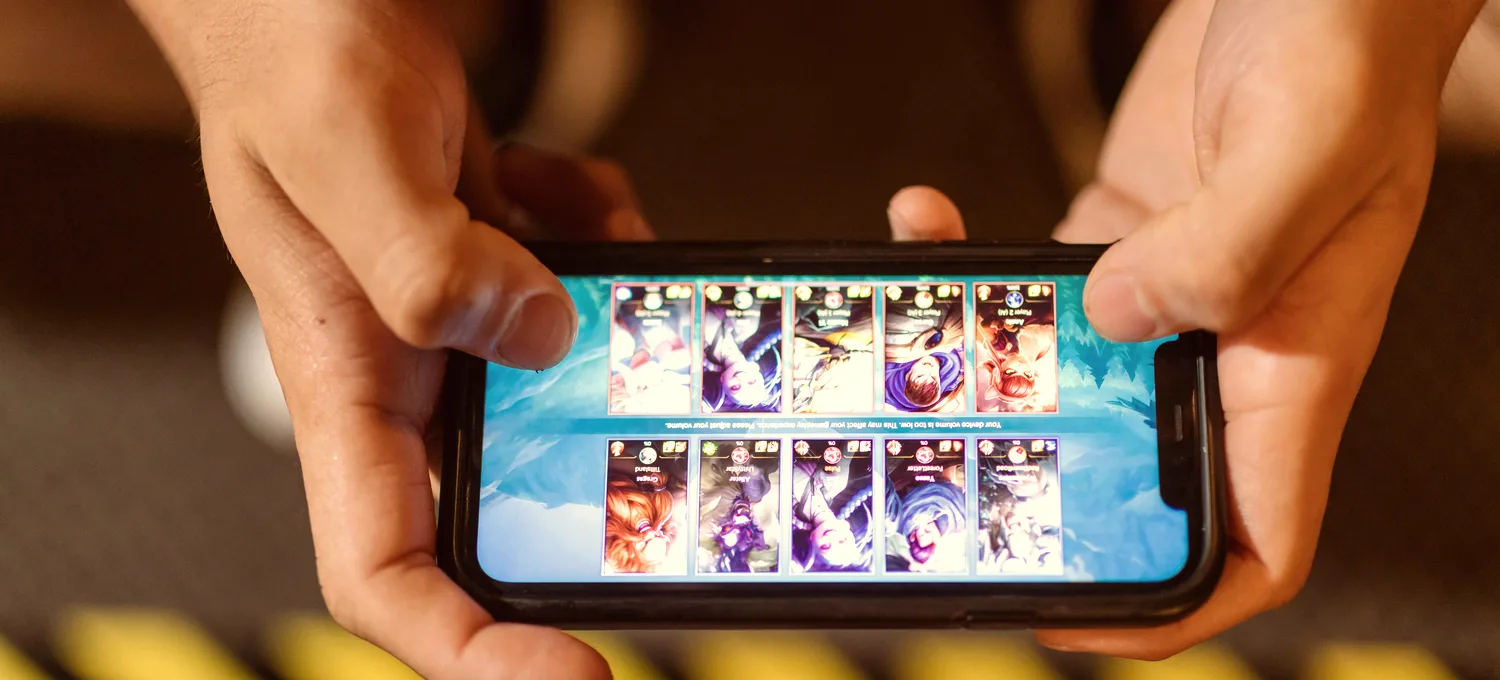
Short answer: IDN Poker is not a single poker site — it is a network that licenses its software to dozens of branded skins, all sharing one player pool through a tree of agents. Bots can and do run on IDN, but the network's mobile-only clients and its agent-based money flow shape exactly what a bot can do, how it gets caught, and who is actually accountable. The hard limits are device integrity on the phone and behavioural analysis on the server — not the bot logic itself.
IDN as a network of skins, not one room
Most Western rooms (PokerStars, GG, ACR) are a single operator with a single brand. IDN works differently. The operator behind IDN — long the largest network in Asia by cash-game traffic — sells a licensed platform to many independent businesses. Each licensee runs its own brand (a skin): its own name, cashier, support, and marketing. Underneath, every skin plugs into the same servers, the same RNG, the same wallet, and crucially the same shared player pool. A player on Skin A and a player on Skin B can sit at the same table without ever knowing they are on different brands.
Below the skins sits an agent system. Players rarely deposit by card. Instead they buy and sell chips through agents and sub-agents — a settlement chain that handles money off-platform, often via local bank transfer or messaging apps. The network books the game; the agent books the cash. This two-layer structure (shared liquidity on top, agent settlement underneath) is the single most important fact for understanding bots on IDN.
Mobile-only clients and what they imply
IDN's clients are built for phones. There is no mature desktop client comparable to a Stars or GG lobby; the product lives in Android and iOS apps distributed largely outside the official stores, sometimes as direct APKs handed out by agents. For a bot author this changes everything:
- No raw client API. You are automating a touchscreen app, not a desktop window. That pushes bots toward emulators, rooted devices, screen-scraping and accessibility-service automation.
- The defender owns the device check. A mobile client can demand attestation, detect emulators and root, and refuse to run — a leverage point desktop poker never had.
- Distribution is fragmented. Many skins, many APK builds, frequent forced updates. Tooling that works on one skin's build can break on the next.
What bots can — and cannot — do here
Can: read the board through computer vision, apply a fixed or solver-derived strategy, multi-table across accounts, and — the real money-maker on IDN — coordinate. Because money settles through agents and the player pool is shared, a single operator can run many seats across several skins and have them collude: share hole cards, soft-play, and funnel chips toward a designated account. Collusion, not lone superhuman play, is the dominant bot threat on agent networks.
Cannot: ignore the phone. A bot still has to survive the client's integrity checks (covered on the Mobile Security page) and the network's server-side behaviour analysis — timing fingerprints, win-rate anomalies, and the multi-account graph that links seats settling through the same agent. The agent system that makes collusion easy is also what makes it traceable: every colluding seat tends to share a settlement path.
Network & skins
How the IDN platform, its branded skins, and the agent tree actually fit together — and where bots and collusion live in that structure.
Mobile client security
Emulator and root detection, device fingerprinting, and integrity checks that mobile poker apps use against automation.
How to read the rest of this site
This is a research reference, not a shop. The two articles below go deep on structure and defence: Network & Skins explains the agent model and where the integrity risk really sits; Mobile Client Security walks the layered checks a phone client runs before it trusts a session. If you build or research poker tooling and want to compare notes, the team chat is one tap away in the header.